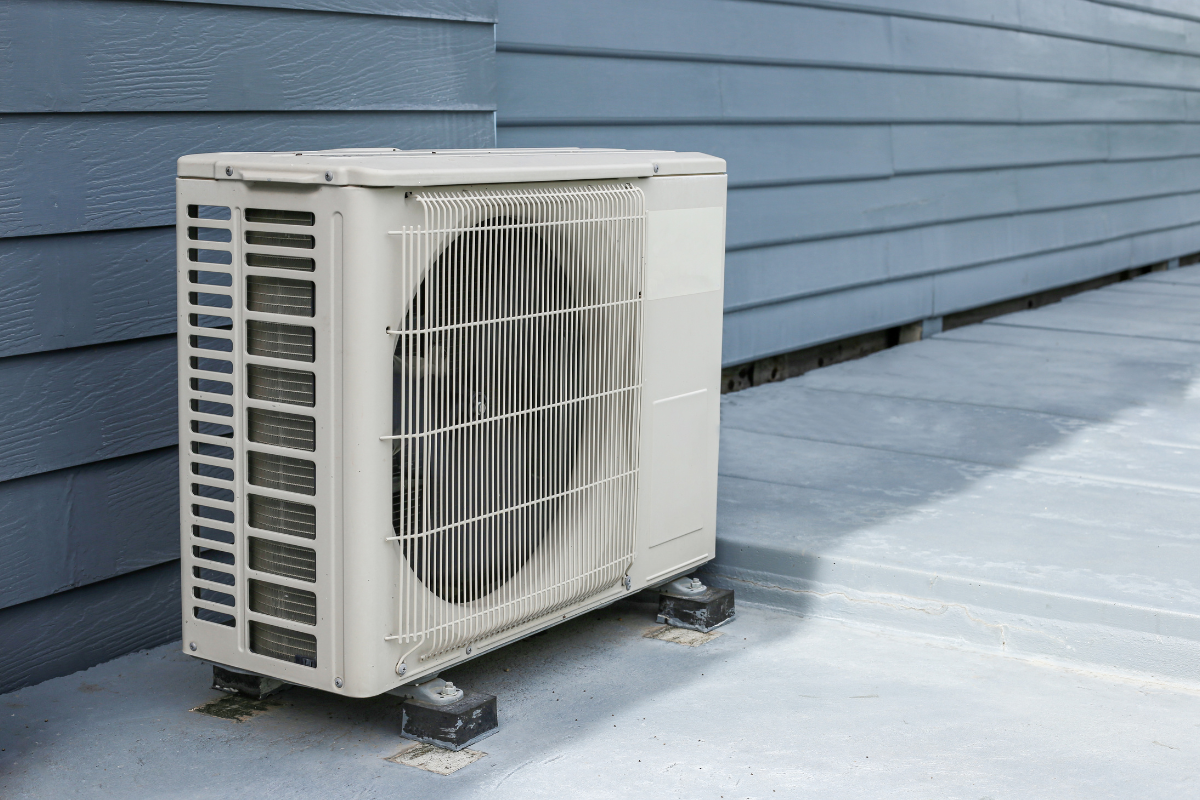


Dallas is tough on HVAC systems. Summers lean hot and long, winters swing from mild to sudden cold snaps, and the pollen never seems to quit. When you request quotes for HVAC installation in Dallas, the bids can look like alphabet soup: SEER2 ratings, tonnage, Manual J, matched systems, line sets, air handlers, ECM motors, warranty terms. The prices may vary by thousands. Choosing the cheapest can cost you twice, choosing the most expensive is not a guarantee of better comfort. The right move is to compare the bids on substance, not slogans, and look for the decisions that drive long-term performance in North Texas homes.
I have walked attics where the duct board crumbles underfoot and closets where return air has been stealing from the garage for a decade. I have watched good contractors methodically pressure-test ducts and quote honest capacity. I have also seen bids padded with glitter, yet light on the basics that matter on a 104-degree day when your system cycles nonstop. Here is how I separate strong proposals from expensive guesses for HVAC installation Dallas homeowners can trust, whether you are planning AC installation Dallas for a new system or evaluating air conditioning replacement Dallas after a mid-season failure.
What a professional site visit should include
A good bid starts with how the contractor looks at your home. If they measure nothing and quote a “standard 4-ton” because your neighbor has one, that is not a bid, it is a hunch. Expect to see a tech do more than take pictures and glance at the nameplate.
They should ask how the home performs now. Are there rooms that never quite cool, or that heat up after sunset? Has the system frozen before? How often do you change filters? They will look at the attic insulation depth, note shading on the west side, and check window types and orientation. In Dallas, west-facing glass and poor attic ventilation are classic culprits behind comfort complaints.
The tech should measure return and supply openings, verify static pressure at the air handler, and assess the duct layout. If you hear the phrase “Manual J load calculation” and they take room-by-room measurements, that is a good sign. A rough load can be done in software in under an hour for a typical home, but accurate inputs make or break it. Square footage alone leads to oversizing, which reduces comfort and raises humidity in our climate.
If the visit is under 20 minutes, with no measurements and no attic inspection, the bid that follows is weak evidence.
Manual J, Manual S, and why your Dallas tonnage may change
Most homeowners shopping for AC unit installation Dallas care first about tonnage and SEER2. Tonnage is capacity and SEER2 is seasonal efficiency under updated test procedures. A Manual J load calculation estimates how much capacity your home needs at a design temperature. In Dallas County, a typical summer design temperature sits around 98 to 100 degrees. Manual J should reflect your insulation, duct leakage assumptions, window specs, orientation, and infiltration.
Once the load is calculated, Manual S selects equipment that matches the load at those conditions. A heat pump or AC condenser comes with performance tables. At 100 degrees outdoor and, say, 75 degrees indoor with 50 percent relative humidity, its actual capacity differs from the nameplate. A 3-ton condenser might deliver only 32,000 BTU/h at those conditions or as high as 38,000, depending on the model and coil. That is why matched systems and coil selection matter.
In practice, I see many Dallas homes over-tonned by half to a full ton. Oversizing looks safe on paper but leads to short cycles and sticky indoor air because the system does not run long enough to pull moisture out. You will feel cool and clammy at the same time, especially in May and September. The flip side, undersizing in a big two-story with south and west exposures, puts the system in a constant sprint. The best bids show their math, then explain why a variable-speed or two-stage system may serve a borderline load better than jumping a full ton.
Equipment tiers that make sense in Dallas
For HVAC installation Dallas buyers, the sweet spot is often between basic single-stage and the top-of-the-line variable-speed inverter systems. Single-stage systems are cheaper up front and easy to service. Two-stage systems run low most of the time and high when it is brutal outside, improving comfort and dehumidification. Full inverter systems modulate continuously, often hitting the best comfort and efficiency, especially paired with a smart thermostat that manages humidity.
Does everyone need an inverter? No. In a smaller, well-insulated home with decent ducts, a high-quality two-stage system can perform beautifully for less. In a larger, leaky or high-glass home, an inverter earns its keep. If you are doing air conditioning replacement Dallas and your ductwork is marginal, the quiet low-speed operation of an inverter may mask duct issues but not fix them. I look for bids that match equipment type to the home’s needs and explain the trade-offs clearly.
As for efficiency, SEER2 ratings now anchor the conversation. For our market, going from the minimum to mid-tier often gives good payback, especially if you use the system nine to ten months of the year. Jumping to the absolute highest rating only makes sense if your internal loads are high or your electricity rates are rising sharply. In Dallas, many homeowners find that 15 to 17 SEER2 with strong installation quality beats a 20+ SEER2 system installed poorly.
The coil and air handler pairing that makes or breaks performance
Every solid AC installation Dallas bid should specify the indoor coil model number, not just the condenser. The coil must be matched and listed with the outdoor unit to deliver the advertised capacity and efficiency. The air handler’s blower motor type also matters. An ECM, particularly a variable ECM, can maintain airflow across static pressure changes and helps with dehumidification strategies. If your ducts are tight and sized correctly, you will get the airflow the manufacturer expects. If not, even the best equipment will underperform.
Look for the word “AHRI matched” and a certificate number. That tells you the pairing is tested and rated together. I have seen top-tier condensers paired with undersized legacy coils because the contractor did not want to replace a drain pan in a cramped closet. It saves a little money today, then costs on comfort and longevity.
Ductwork: the unglamorous half of the system
I cannot count the number of bids that promise premium equipment while ignoring ducts that leak 20 percent of their airflow into the attic. Dallas attics push 130 degrees in July. Losing air there is like throwing money out the window, except it also starves the rooms that need it. Ducts also can be undersized or poorly laid out, causing high static pressure and noise.
A thorough bid addresses duct condition directly. That might mean a duct leakage test, static pressure readings, and a plan for corrections. Sometimes it is as simple as upsizing one return, sealing boots, and replacing compromised flex runs near the plenum. Other times, you need a redesign. If one bid includes these items and another pretends ducts are fine because they “worked before,” the prices will differ for a reason. Performance lives in the details you do not see.
Installation scope: what the line items really mean
Every serious proposal should break out the components and steps. If a bid is vague, you cannot compare apples to apples. Here are the items I like to see spelled out, because they drive both cost and results:
- Load calculation and equipment selection: Manual J inputs, tonnage justification, AHRI matched models with full model numbers. Ductwork scope: repairs, replacements, added returns, sealing method, and any balancing included. Line set: reuse or replace, size, and cleaning method if reusing. Also, wall penetrations, line hide, or attic routing. Refrigerant handling: evacuation level in microns, nitrogen pressure test, and POE oil handling care for new compressors. Electrical: new disconnect, whip, breaker size verification, surge protection options, and code-required upgrades. Condensate management: new drain pan, float switch placement, drain line slope and cleanouts, and secondary drain to a visible location. Thermostat strategy: compatibility with staging or inverter control, humidity control features, and wiring upgrades if needed. Permits and inspections: city permit for HVAC installation Dallas and scheduling of final inspection. Warranty terms: equipment, parts, and labor, plus registration responsibility and any workmanship warranty.
That is a lot of ground, but each item is a lever. Skipping a new float switch or leaving a rusty secondary pan in place is how ceilings get ruined the first time the drain clogs. Reusing a line set without a proper flush risks compressor failure. Not pulling a deep vacuum means moisture in the system, which forms acids and shortens compressor life.
Pricing drivers that explain the spread
When I review competing bids for AC unit installation Dallas, a few factors explain most price variance:
Brand ecosystem and tier. Premium brands with full inverter lines and proprietary controls cost more. Some installers carry one or two brands and get better pricing with those, which they pass along. Others have access to distributor promotions or seasonal rebates. Do not assume brand alone defines quality, but parts availability and support do matter.
Labor time and crew quality. A thorough install crew will spend more hours on duct fixes, line set routing, or setting up advanced controls. That shows up in the number. On a two-story with a tight attic and a return relocation, a proper job can take a full day with three people, sometimes two days if ductwork is involved.
Scope of corrections. If a contractor quotes true duct sealing and adds a return, while another folds duct work into “miscellaneous,” the first bid is probably more honest about what it takes. Same with electrical and condensate items.
Permits, insurance, and warranty. Licensed, insured contractors who pull permits and include labor warranties price in those costs. If a bid feels too cheap, ask about licensing and permitting. A permit protects you, and in many Dallas jurisdictions it is required for air conditioning replacement Dallas.
Supply chain and lead time. After major heat waves, certain equipment sizes and coils go scarce. Some contractors carry stock and can install sooner at a slight premium. Others quote lower with a longer wait. Only you can decide whether time or savings matters more.
What matters most during the install day
The best plan still fails without disciplined execution. When you hire for HVAC installation Dallas, ask how the crew validates their work. A reliable checklist should include a nitrogen pressure